
|
The 15th International Topical Meeting on Nuclear Reactor Thermal-Hydraulics, Operation, and Safety NUTHOS-15 Shaping the Future of Next-Generation Nuclear Energy September 28 - October 1, 2026. Kashiwa-no-ha, JAPAN |
|
|
The 15th International Topical Meeting on Nuclear Reactor Thermal-Hydraulics, Operation, and Safety NUTHOS-15 Shaping the Future of Next-Generation Nuclear Energy September 28 - October 1, 2026. Kashiwa-no-ha, JAPAN |


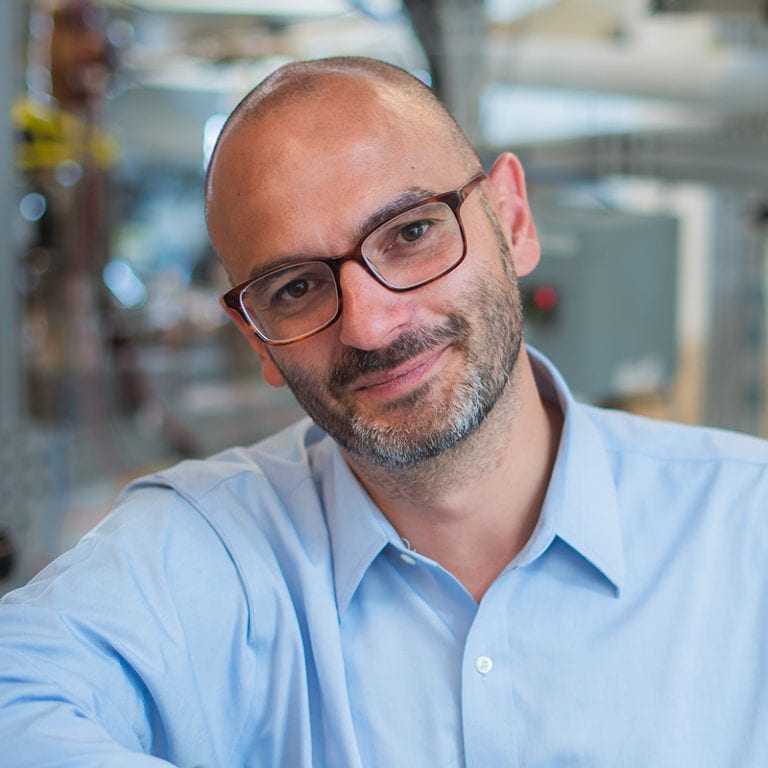
Dr. Matteo Bucci (Massachusetts Institute of Technology)
"High resolution investigations of boiling heat transfer, from cryogenic fluids in space systems to high-pressure water in nuclear reactors"
Bio:
Matteo Bucci is the Esther and Harold E. Edgerton Associate Professor of Nuclear Science and Engineering at the Massachusetts Institute of Technology (MIT). His research group studies two-phase heat transfer mechanisms in nuclear reactors and space systems, develops high-resolution non-intrusive diagnostics and surface engineering techniques to enhance two-phase heat transfer, and creates machine learning tools to accelerate data analysis and conduct autonomous heat transfer experiments. He has won several awards for his research and teaching, including the MIT Ruth and Joel Spira Award for Excellence in Teaching (2020), ANS/PAI Outstanding Faculty Award (2018 and 2023), the UIT-Fluent Award (2006), the European Nuclear Education Network Award (2010), and the 2012 ANS Thermal-Hydraulics Division Award. Matteo is the founding editor and deputy Editor-in-Chief of AI Thermal Fluids. He also serves as Editor of Applied Thermal Engineering, is the founder and coordinator of the NSF Thermal Transport Café and works as a consultant for the nuclear industry.
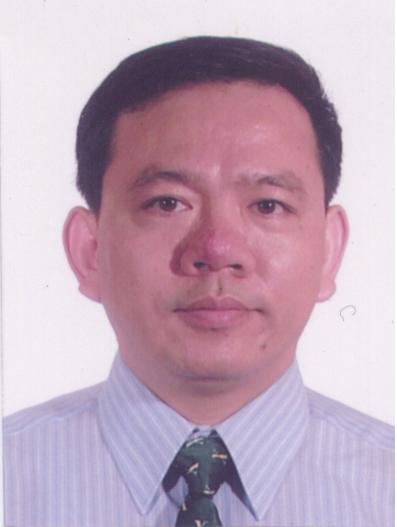
Dr. Xuewu Cao (Shanghai Jiao Tong University)
"Investigation on aerosol behavior in Nuclear Power Plant Containment"
Bio:
Dr. Xuewu Cao is a professor in the School of Mechanical Engineering at Shanghai Jiao Tong University. He received his Ph.D. degree in Quantum Engineering and System Science from the University of Tokyo, Japan, and joined Shanghai Jiao Tong University as a faculty member. His primary research interests are thermal-hydraulics and nuclear power plant safety, while his ongoing activities include severe accident analysis and management for nuclear power plants, along with investigations into hydrogen risk and aerosol behavior in reactor systems.
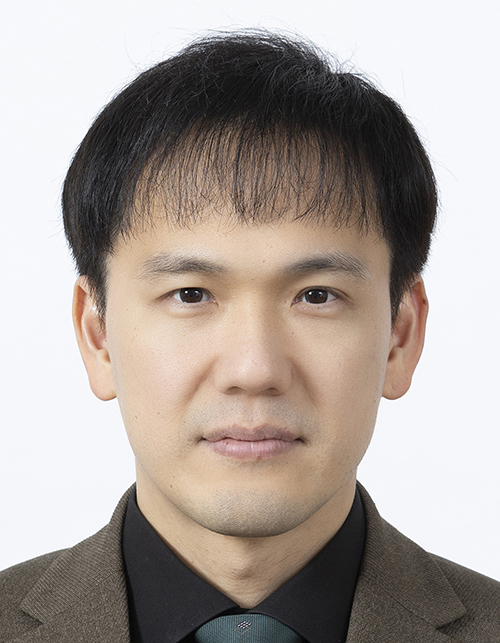
Dr. Yunje Cho (Korea Atomic Energy Research Institute)
"Development Status of the Multiphysics and Multiscale MSMP Simulation Platform: V-SMR"
Bio:
Yun-je Cho earned his Ph.D. in Nuclear Thermal-Hydraulics from Seoul National University (SNU) in 2010. Following his doctoral studies, he has been working in KAERI for 15 years. His primary research expertise lies in thermal hydraulics (TH) simulation and MSMP(Multi-Scale & Multi-Physics) coupling method. He is currently serving as director of Digital Nuclear Reactor & AI Research Center at KAERI since 2024 and leading the Korean virtual reactor development project group.
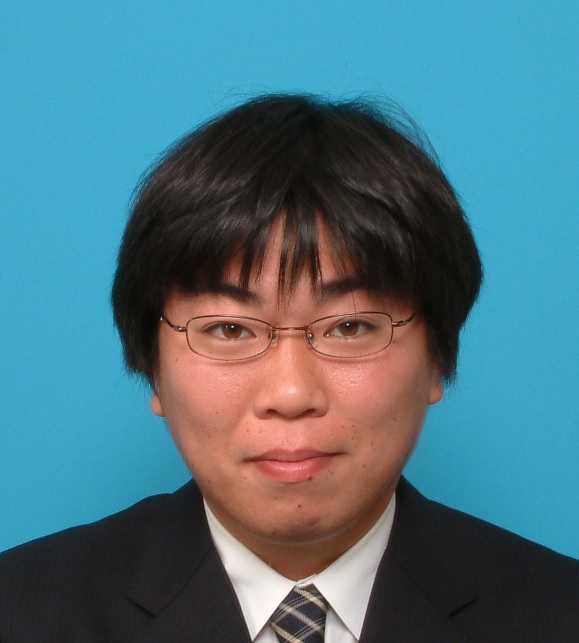
Dr. Kei Ito (Kyoto University)
"Study on gas entrainment -future in the past-"
Bio:
Kei Ito received the B.E. (1999), and M.E. (2001) degrees in mechanical engineering from Waseda University, and D.E. (2009) degree in nuclear engineering from Kyoto University. After devoting himself to various thermal-hydraulics researches in Japan Atomic Energy Agency, now, he is an associate professor, Institute for Integrated Radiation and Nuclear Science, Kyoto University. His current interests include the numerical simulations of various multi-phase flows.
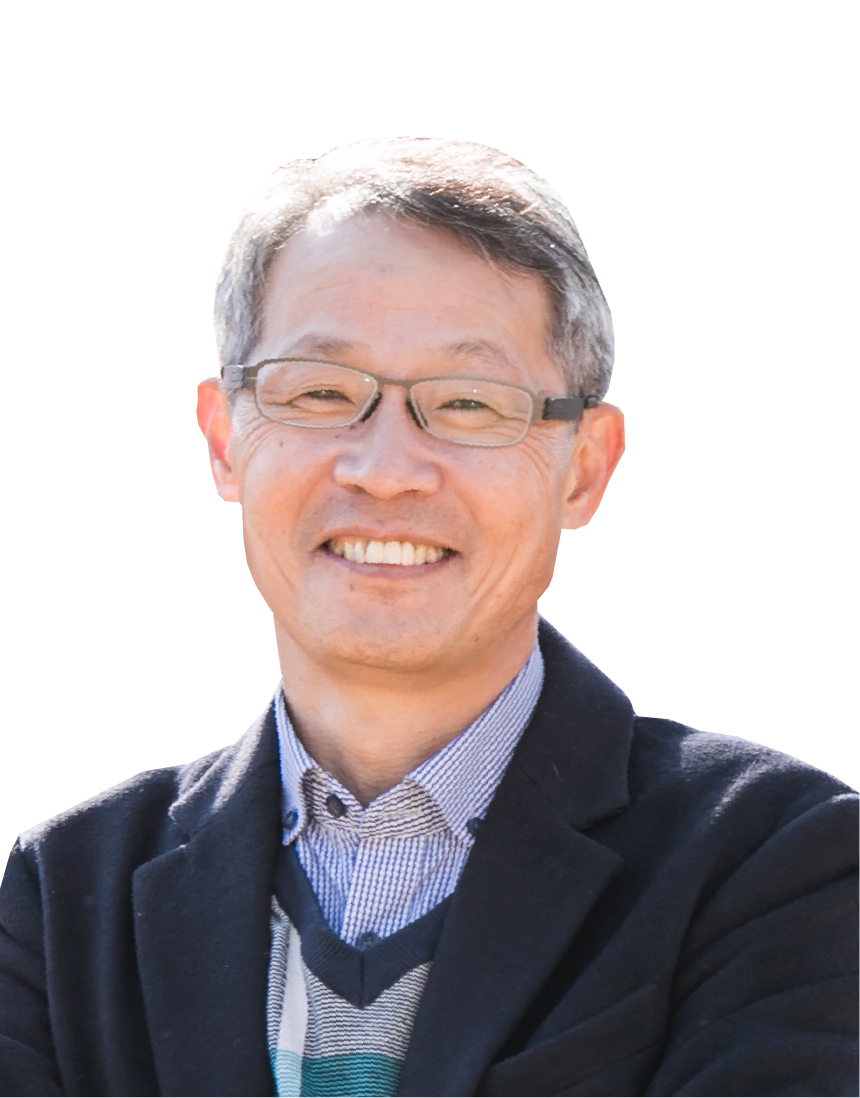
Dr. Byung Chul Lee (FNC Technology Co., Ltd.)
"Lessons Learned from Plant Engineering Experiences for Safe Plant Operations"
Bio:
Dr. Byung Chul Lee is the CEO of FNC Technology Co., Ltd., a nuclear engineering company founded in South Korea in 2000. Under his leadership, FNC has established itself as a world-class technology leader, powered by an elite team of specialists, including 50 PhD-level experts. The company executes approximately 50 major engineering projects annually, focusing on the operational safety and design of nuclear power plants. FNC’s technical competitiveness is underscored by its extensive R&D track record, which includes 2,000 publications and 50+ patents, positioning the company as a global leader in the industry. Beyond corporate management, Dr. Lee actively contributes to the advancement of nuclear safety as a long-standing Council Member of the Korean Nuclear Society (KNS) and a Full Member of the National Academy of Engineering of Korea (NAEK).
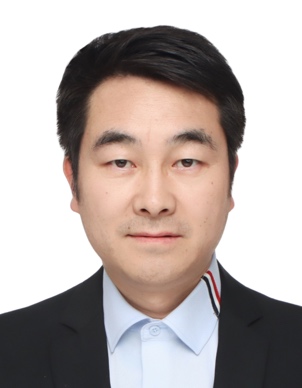
Dr. Maolong Liu (Fudan University)
"Solidification of High-Melting-Point Coolants and Its Impact on Reactor Design and Safety Characteristics"
Bio:
Dr. Maolong Liu serves as an associate professor in the Department of Nuclear Science and Technology at Fudan University. He is an expert in the field of nuclear reactor thermal-hydraulics, having conducted experimental and theoretical research on the thermal-hydraulic characteristics of reactor fuel assemblies and steam generators, as well as on severe accident analysis. He has served as principal investigator for 22 research projects and has published over 100 papers. He has received three major scientific awards, including the First Prize of Shanghai Science and Technology Progress Award and the First Prize of the China Nuclear Energy Industry Association Science and Technology Progress Award.
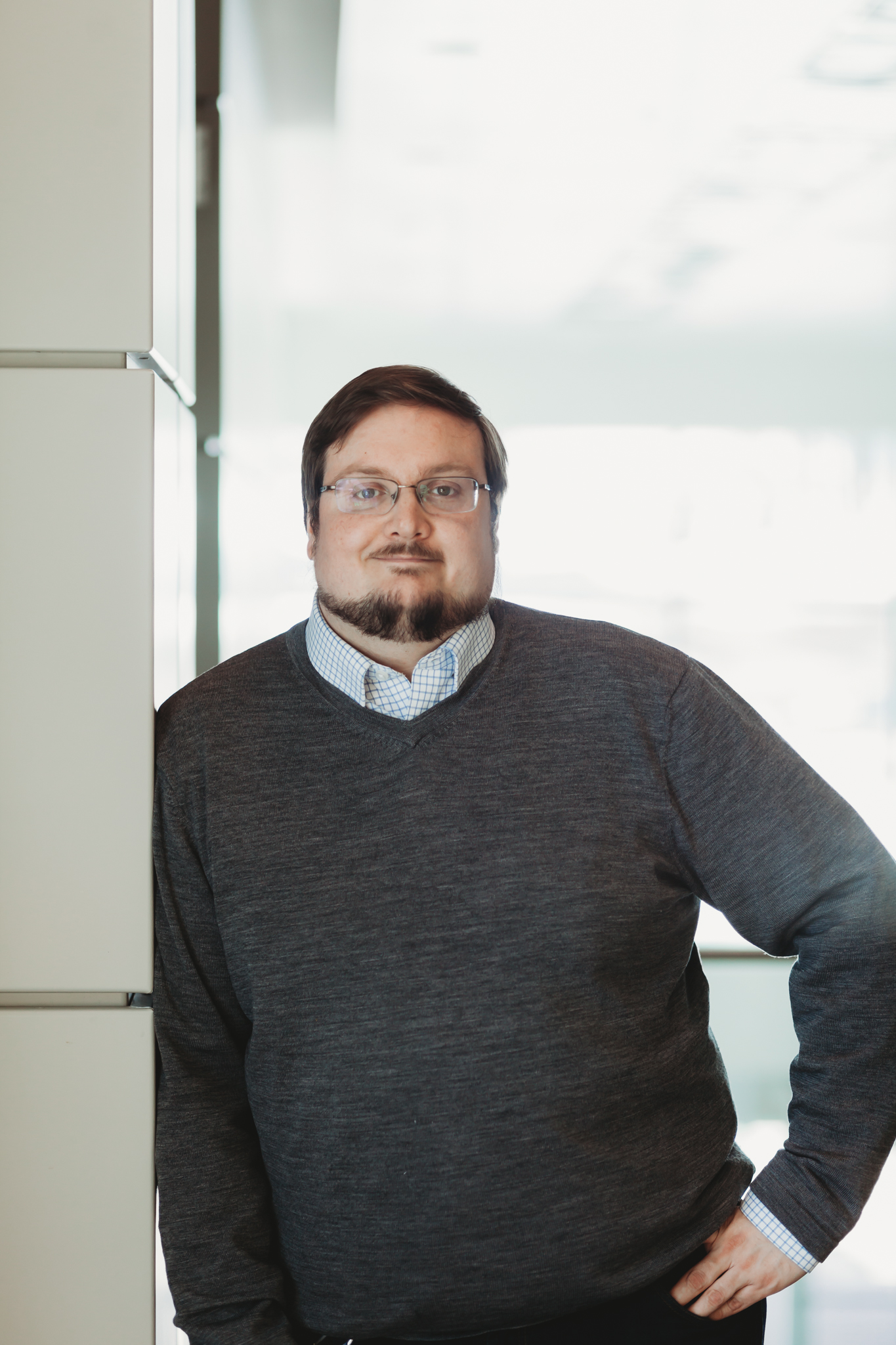
Dr. Andrew Morreale (Canadian Nuclear Laboratories)
"Reactor safety research to support deployment of water cooled small modular reactors in Canada"
Bio:
Dr. Morreale is the Technical Manager of Reactor Safety, at Canadian Nuclear Laboratories (CNL), and previously spent 10 years as a research scientist focused on nuclear reactor severe accident modeling and analysis; having joined CNL in 2013. Dr. Morreale is involved international efforts including chairing the NEA CSNI Expert Group on Small Modular Reactors, participating in NEA joint projects on Fukushima Daichi Accident Analysis, and chairing the IAEA NEXSHARE Steering Committee. Andrew was Technical Program Committee Chair of the NUTHOS-14 conference. He holds a PhD in Engineering Physics from McMaster University and Chairs the Chalk River Branch of the Canadian Nuclear Society.
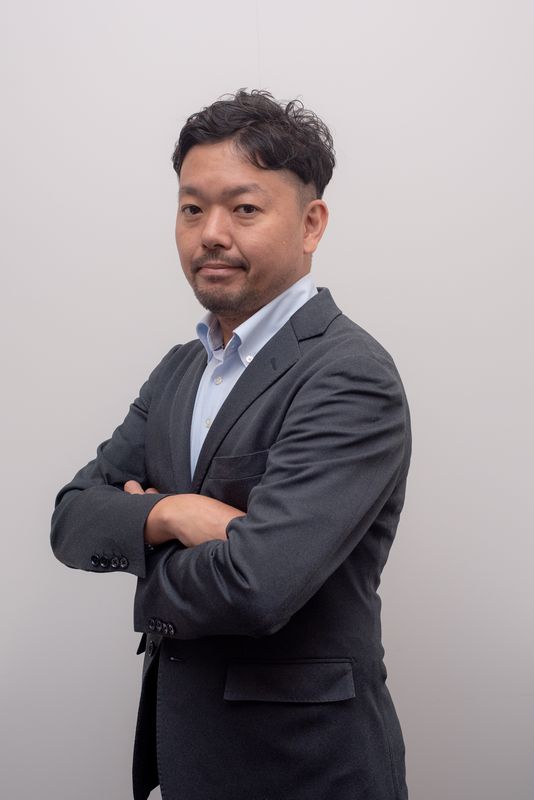
Dr. Koichi Nakamura (Central Research Institute of Electric Power Industry)
"Challenge for uncertainties in severe accident phenomena and source term to develop practical Level 2 PRA"
Bio:
Dr. Koichi Nakamura is a research scientist in CRIEPI with 16 years of experiences working for severe accident research and level 2 PRA. His interest is to understand severe accident progression in light water reactors with both deterministic and probabilistic approach. His careers for severe accident research include the experiments on removal effect of fission products aerosols while going through penetrations on a containment vessel and the analysis on Fukushima daiichi nuclear power plants accident with MAAP and MELCOR.
The careers for level 2 PRA include the development of methods for seismic level 2 PRA for Japanese nuclear power plants and the development of dynamic PRA applicable to source term risk analysis.

Dr. David Novog (McMaster University)
(TBA)
Bio:
Dr. David Novog is an expert in safety analysis methods and uncertainty quantification. He holds an industry funded Research Chair in Nuclear Safety and has been a professor at McMaster since 2006. From 1998-2005 he worked at Ontario Hydro, OPG, Nuclear Safety Solutions and AMEC in the areas of reactor physics, thermal hydraulics and reactor trip assessment. Prior to these positions he was a visiting researcher at Mitsubishi Heavy Industries in Japan. His current research is focused on experimental and analytic issues related to fuel integrity, severe accident modelling, and emergency planning. This includes applying state-of-the-art non-destructive imaging methods for two-phase flow boiling, laser-based film and surface measurements, and high-speed imaging of direct contact condensation phenomena.
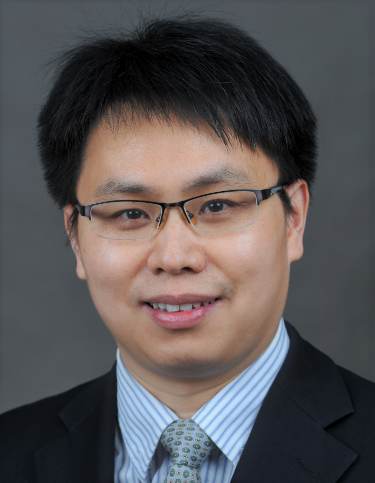
Dr. Wenxi Tian (Xi’an Jiaotong University, China)
"Development of CorTAF: A 3D Multi-Scale and Multi-Physics Coupled Analysis Code for Nuclear Reactor Cores"
Bio:
Prof. Wenxi Tian is the dean of School of Nuclear Science and Technology of Xi’an Jiaotong University, China. He obtained his Ph. D in Xi’an Jiaotong University University in 2006. He did post-doctor research in the University of Tokyo From Oct. 2007 to Apr. 2010. He was promoted to be Professor of XJTU in 2014. His research interests cover nuclear reactor thermal-hydraulics, computational fluid dynamics. He published more than 200 journal papers, four monographs and one text book, fifteen invention patents. He was awarded the second prize of national technical invention award. He is the Chief Editor of Int. J. Advanced Nuclear Reactor Design and Technology(JANDT), Specialty Chief Editor of Frontiers in Nuclear Engineering(FNUEN). He was awarded the Loog Contribution Award of international Conference on Nuclear Engineering(ICONE30) in 2023.
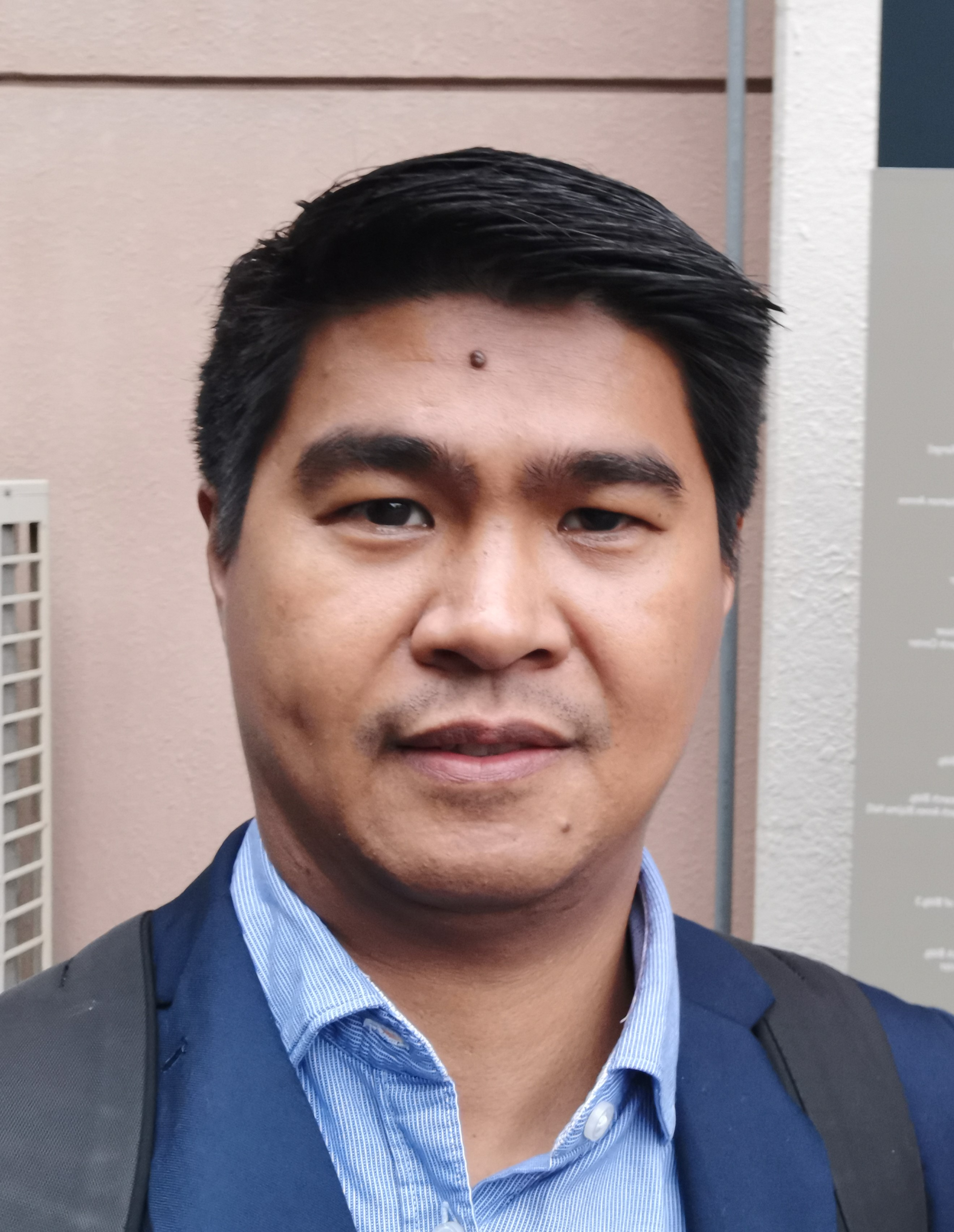
Dr. Walter Villanueva (Bangor University)
"Erosion and corrosion behaviour in stagnant and flowing liquid lead: Insights from the BULLET lead loop facility"
Bio:
Dr Walter Villanueva is a Reader in Nuclear Engineering and leads the Thermal-Hydraulics Group within the Nuclear Futures Institute at Bangor University, UK. He holds a PhD in Fluid Mechanics from KTH Royal Institute of Technology and completed postdoctoral research at the National Institute of Standards and Technology (NIST). He oversees two major experimental facilities: THOR (Thermal-Hydraulics Open Research), focused on steam-water flow studies, and BULLET (Bangor University Lead Loop Erosion/corrosion Test), dedicated to investigating corrosion phenomena in both flowing and stagnant liquid lead. Dr Villanueva is actively involved in several international collaborations, including Coordinated Research Projects of the International Atomic Energy Agency (IAEA), initiatives of the OECD Nuclear Energy Agency, and UK and EU Thermal-Hydraulics Networks. His research spans nuclear thermal-hydraulics, severe accident phenomenology, and the modelling, simulation, and experimental investigation of fluid mechanics, with over 100 publications in these areas.
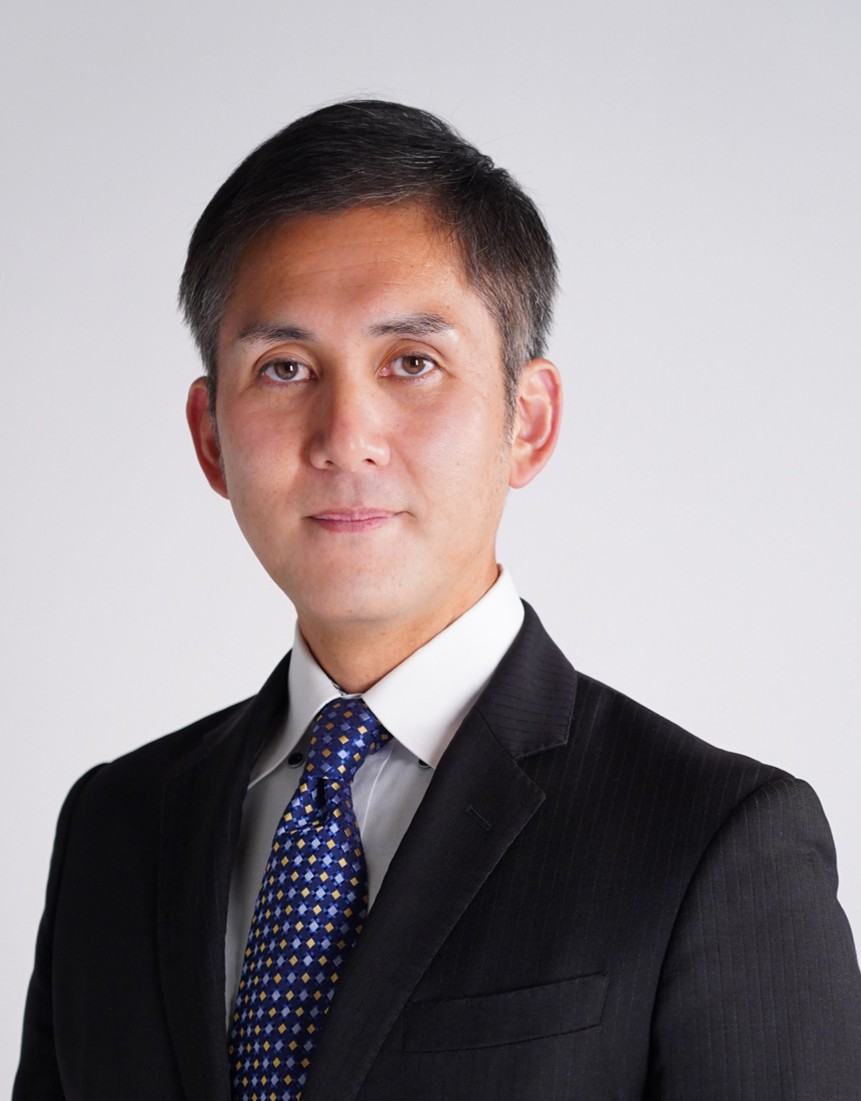
Dr. Susumu Yamashita (Japan Atomic Energy Agency)
"The Role of Computational Fluid Dynamics in Deepening the Understanding of Severe Accident Phenomena: Current Status and Future Prospects"
Bio:
Dr. Susumu Yamashita is a Principal Researcher at the Japan Atomic Energy Agency, specializing in advanced thermal-hydraulic simulations for light water reactors. He received his Ph.D. in Engineering from the Tokyo Institute of Technology in 2010. His research focuses on mechanistic multi-physics simulations of severe accident phenomena, including fuel melting, two-phase flow, and related analyses.

